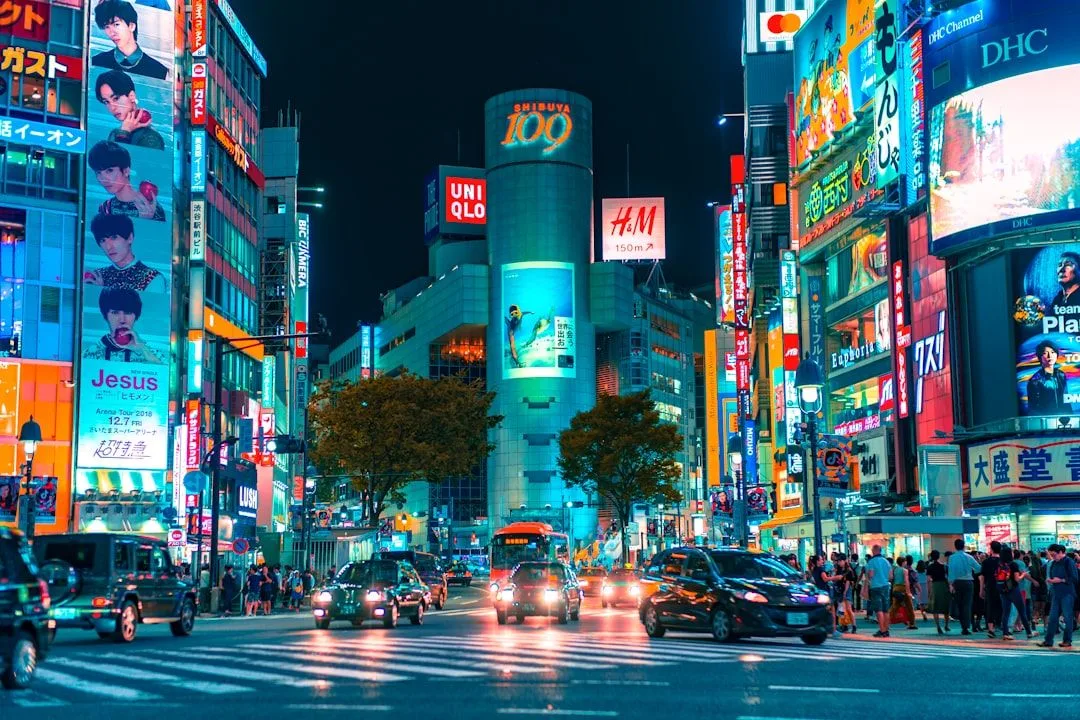
Tokyo has no centre and its districts are 30 to 50 minutes apart. The city works if you take a train to a neighbourhood and then walk it thoroughly, and it defeats people who try to walk between neighbourhoods.
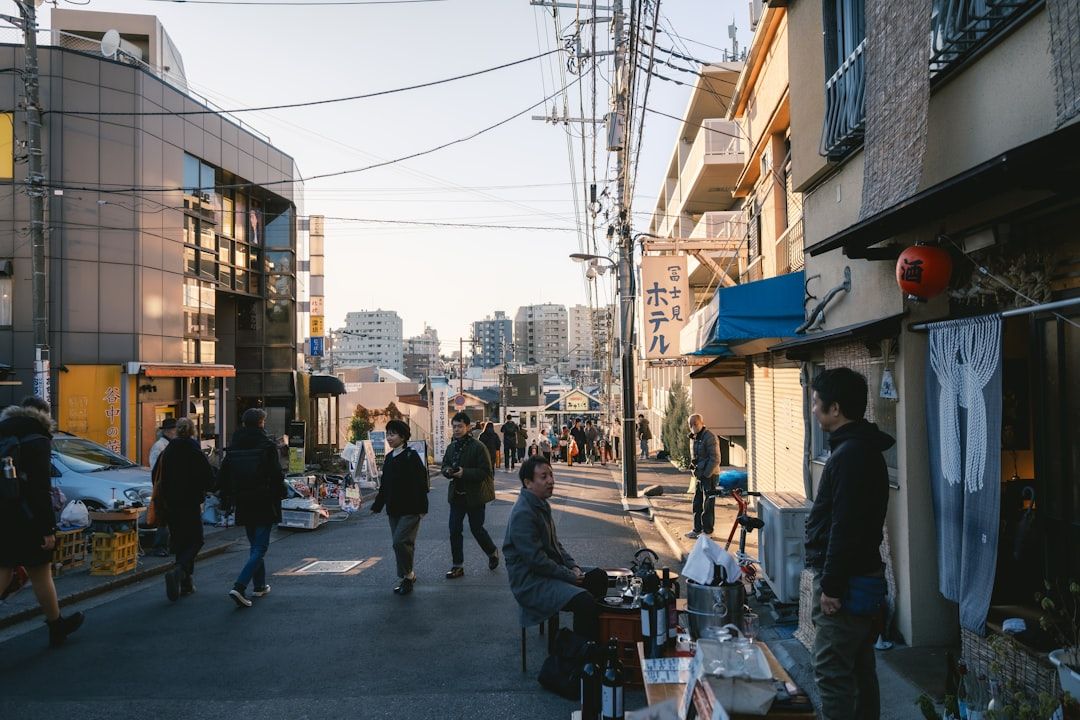
1. Yanaka — the old city
2–3 hours, start at Nippori station
Yanaka survived the 1923 earthquake and the wartime bombing, which almost nothing else in Tokyo did. Wooden houses, temples, a large cemetery under cherry trees, and cats.
From Nippori, walk down through the cemetery, along Yanaka Ginza — a shotengai with croquette shops and a famous view down the steps — and continue through the temple streets toward Nezu and Sendagi.
This is the closest thing in central Tokyo to an old townscape, and it is residential rather than preserved.
2. Shimokitazawa — second-hand and small bars
2 hours, start at Shimokitazawa station
A low-rise maze of narrow streets, largely free of chains, filled with vintage clothing shops, record stores, tiny live music venues and bars seating eight people.
There is no route — the point is the density. Two hours of wandering covers it.
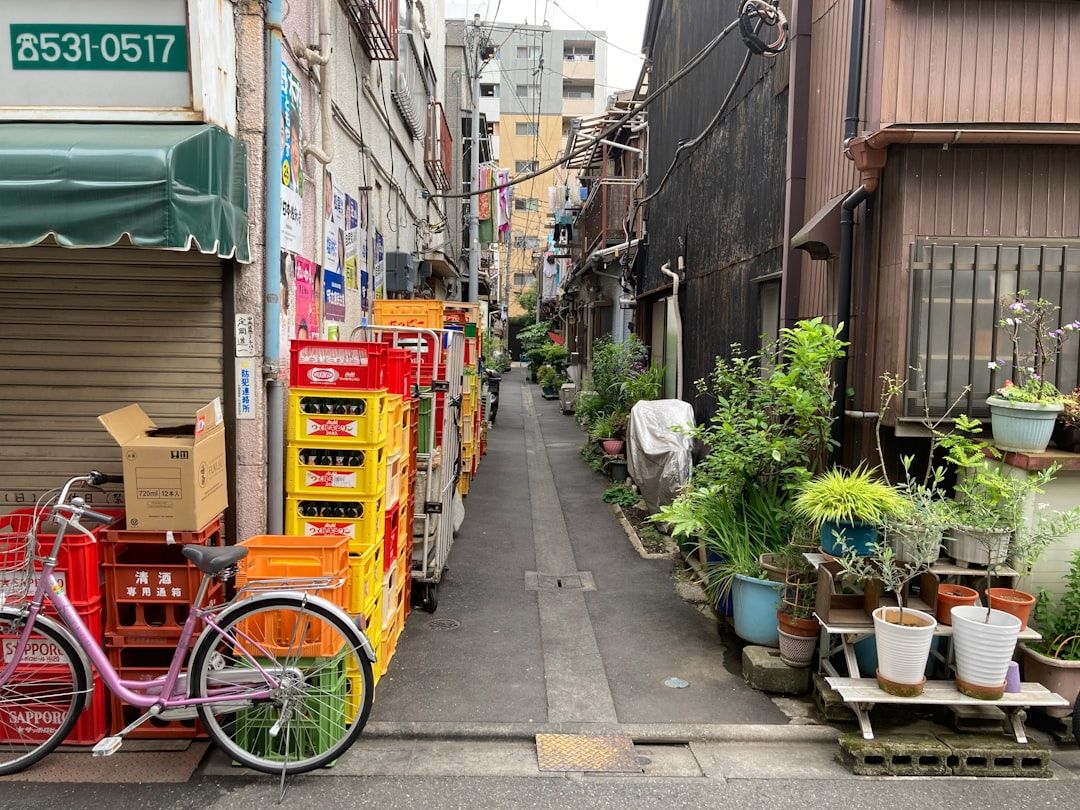
3. Kagurazaka — the stone lanes
1.5–2 hours, start at Iidabashi station
A former geisha district on a hill, with narrow stone-paved lanes running off the main slope. French bakeries and bistros sit next to traditional restaurants, a legacy of the nearby French institute.
Walk up the main street and then dive into the side alleys — Hyogo Yokocho and the lanes around it — which are the reason to come.
4. The Sumida riverside — Asakusa to Ryogoku
2–3 hours
Start at Sensō-ji in Asakusa early, before ten, when the temple is calm. Behind the main hall it empties out immediately.
Then walk south along the Sumida river, past the Tokyo Skytree across the water, to Ryogoku — the sumo district, with the stadium, the Edo-Tokyo Museum and chanko-nabe restaurants run by former wrestlers.
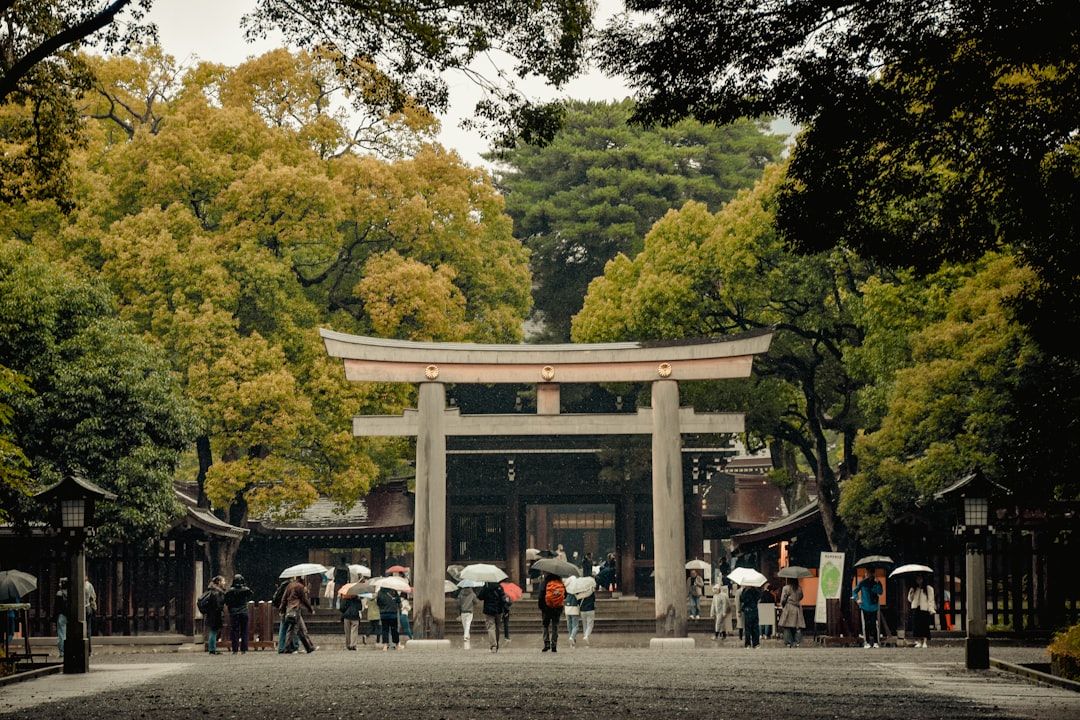
5. Meiji Jingu to Harajuku to Shibuya
2–3 hours, start at Harajuku station
Enter Meiji Jingu through the enormous timber torii. The forest around the shrine is entirely man-made, planted in the 1920s from donated trees, and walking into it from the shopping streets is the sharpest transition in Tokyo.
Come out into Harajuku — Takeshita Street takes ten minutes and the streets either side are more interesting — then down Cat Street to Shibuya and the crossing.
This is the one route that connects famous places, and it works because they are genuinely adjacent.
What makes Tokyo walking work
Find the shotengai. Every neighbourhood has a local shopping street, often covered, with greengrocers, butchers and cheap restaurants. They are where ordinary life happens and are far more interesting than the department store districts.
Go at different hours. A shotengai at 8am, 2pm and 9pm is three different places.
Use an IC card — Suica or Pasmo — and treat trains as the connections between walks rather than as sightseeing.
Do not attempt three districts in a day. Two is the ceiling, and one done properly beats both.
Practical
Signage is extensive and bilingual, so guides add little for general sightseeing. Cash still matters at small restaurants and shrines. Last trains run around midnight and the network stops until roughly 5am.