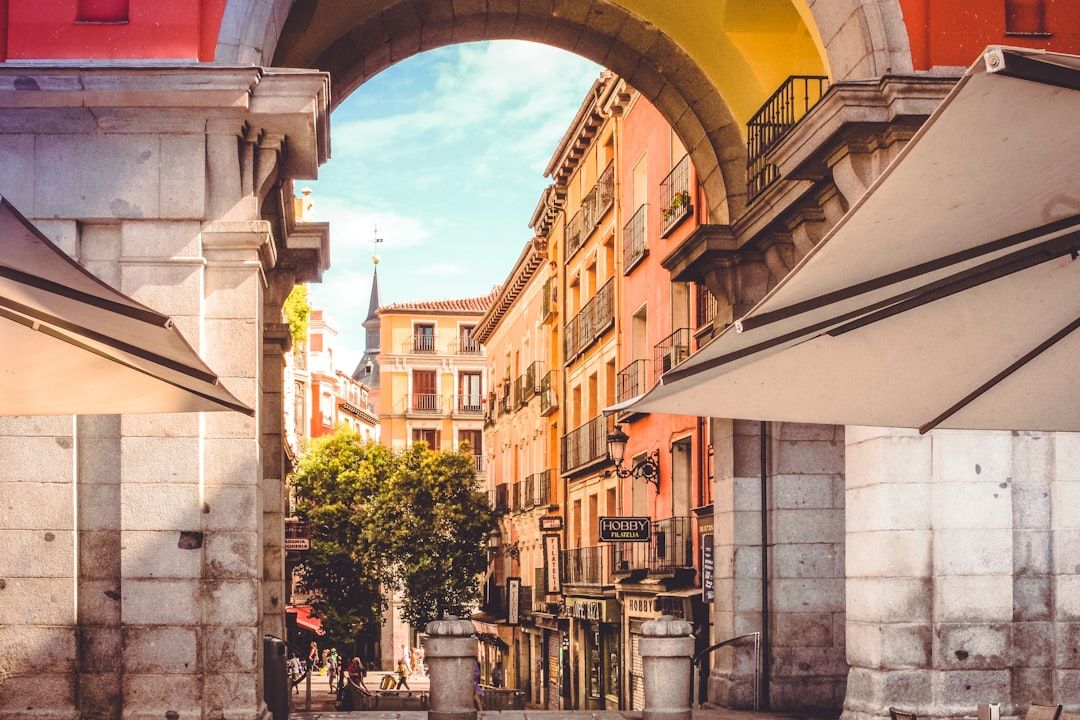
Spain's image is sun, and its visitors go where the sun is. That leaves the Atlantic north — wet, green, mountainous and arguably the best place to eat in the country — comparatively empty.
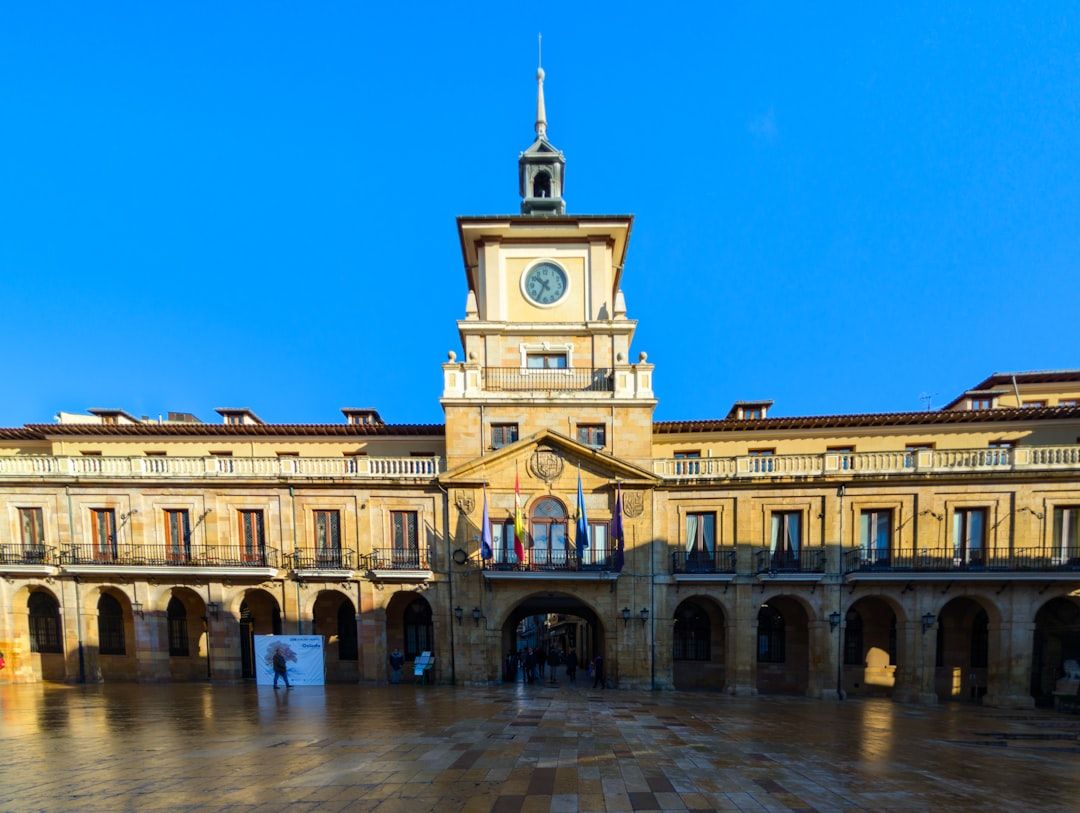
Asturias
Green Spain at its most concentrated. The Picos de Europa rise to 2,500 metres within twenty kilometres of the sea, which produces a landscape unlike anywhere else in the country.
The Lakes of Covadonga, the Cares Gorge walk, and a coastline of small coves and fishing villages — Cudillero, Llanes, Lastres.
Asturian cider is poured from a height into a wide glass, a few centimetres at a time, in sidrerías that are institutions. Fabada, the bean stew, is the regional dish and is enormous.
Oviedo and Gijón are the cities; both are pleasant and neither is a tourist town.
Galicia
The northwest corner, Celtic-influenced, with its own language and a coastline of rías — drowned river valleys.
Santiago de Compostela is the pilgrimage endpoint and the one busy place, and even it is calm outside the summer walking season.
The Rías Baixas produce Albariño and some of the best seafood in Europe — percebes, pulpo á feira, scallops. A seafood lunch in a small town here costs a fraction of the equivalent in San Sebastián.
The Costa da Morte and Cabo Fisterra, which the Romans thought was the end of the world.
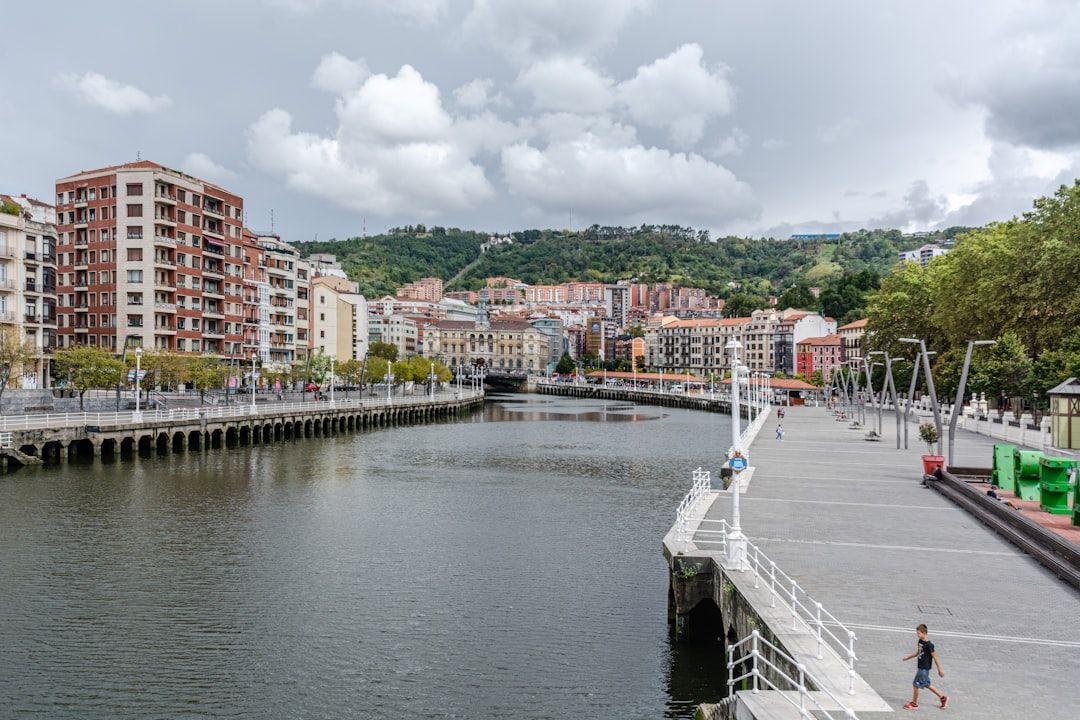
The Basque country beyond Bilbao
Bilbao and San Sebastián are well visited. The interior and the smaller coast are not.
Getaria, Lekeitio and Ondarroa are working fishing towns with grilled turbot straight off the boat. Vitoria-Gasteiz, the Basque capital, has a medieval almond-shaped old town and almost no visitors.
Rioja Alavesa, the Basque part of Rioja, has wineries and hill villages an hour from Bilbao.
Extremadura
Not northern but equally overlooked, on the Portuguese border.
Mérida has the best-preserved Roman theatre in Spain, still used for performances, plus an amphitheatre, aqueduct and an excellent national museum.
Cáceres has an intact medieval walled town used as a filming location often enough that it is recognisable.
Trujillo was the home town of Pizarro and several other conquistadors, and the wealth shows in the architecture.
Prices here are among the lowest in Spain and international visitors are rare.
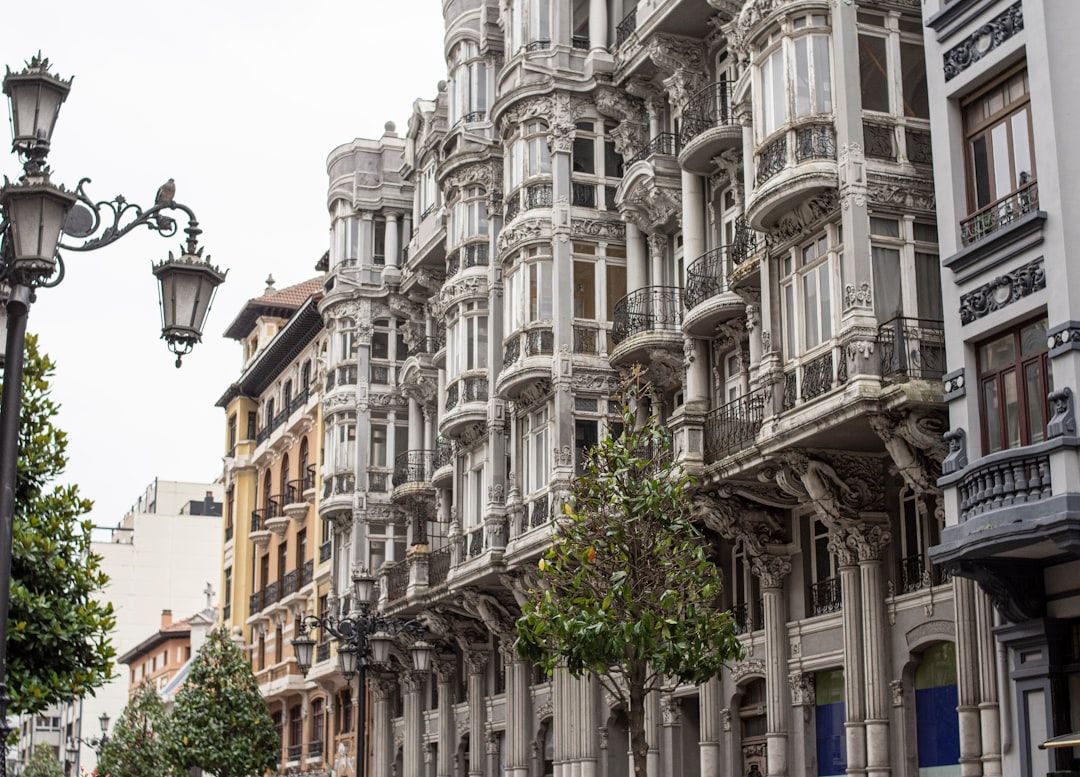
The seasonal inversion
This is the key practical point.
The north is at its best June to September, exactly when Andalusia and the interior become too hot for comfortable travel. A July trip to Asturias or Galicia is 22–26°C and green; a July trip to Seville is 40°C.
The trade is real rainfall — the Atlantic north gets weather year round, and a week can genuinely be wet even in August.
Practical
| North | Andalusia coast | |
|---|---|---|
| Double room | €55–90 | €80–150 |
| Menú del día | €12–16 | €12–18 |
| Seafood lunch | €20–35 | €30–50 |
You need a car for the Picos, the Asturian coast and rural Galicia. Trains connect Bilbao, Santander, Oviedo and Santiago; the villages do not have useful service.
Fly into Bilbao, Santander, Asturias or Santiago rather than Madrid — all have direct European connections and avoid a long transfer.
Note that Basque, Galician and Asturian are spoken alongside Spanish, and signage is often bilingual. Spanish works everywhere.