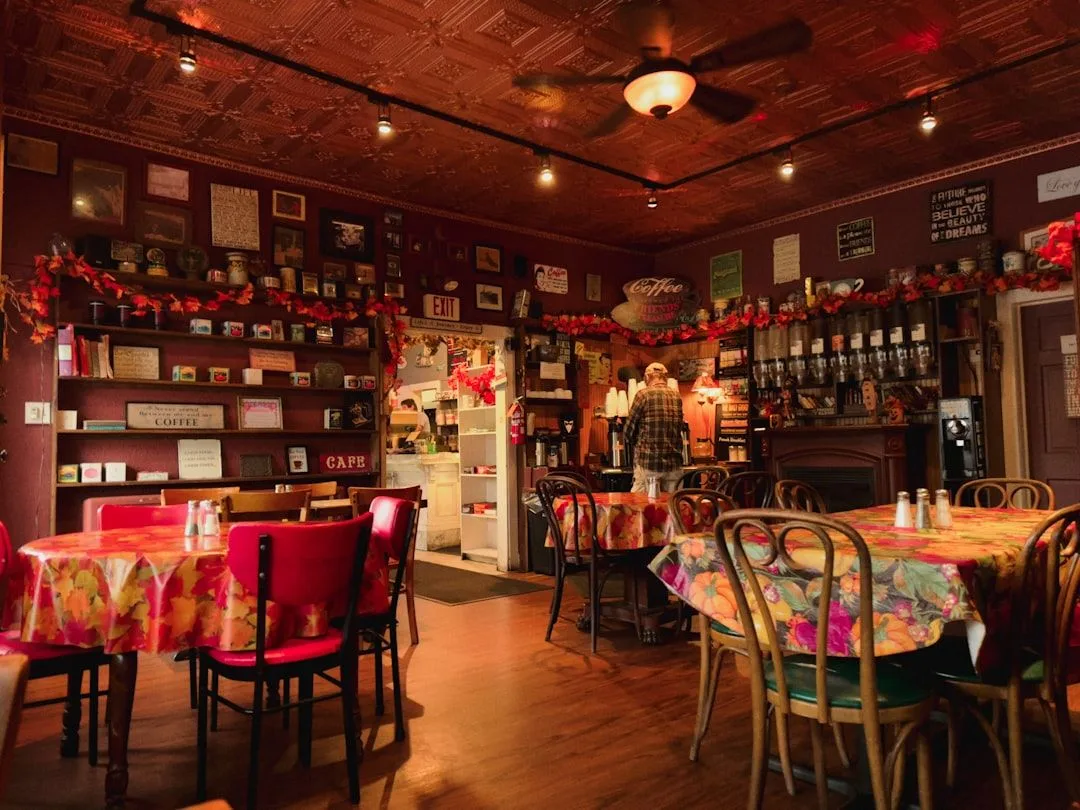
Mexico City is twenty-two million people layered on an Aztec capital built on a lake. It rewards a guide more than most cities do, because almost nothing you look at explains itself.
Worth paying for
Teotihuacán, with a guide. The site is 50 km northeast, and it predates the Aztecs by a thousand years — they found it abandoned and named it. Without interpretation you are climbing large pyramids; with it you understand a city of 125,000 people whose builders are still unidentified.
Independent buses from Terminal del Norte are cheap and drop you at a gate with no context. A tour is €35–60 and is the one clear case for guiding here.
One food tour, early. The value is orientation rather than the meal: which stall is busy at which hour, what to order, how the regional cuisines differ, and where the good comida corrida is. You then apply it all week.
Lucha libre at Arena México, ideally with a guide or a local. It is a genuine cultural institution, the crowd is the show as much as the wrestling, and knowing what is happening and what to shout makes an enormous difference.
A Coyoacán and Frida Kahlo walk. The Casa Azul is heavily visited and benefits from context about Kahlo, Rivera and the political circles they moved in. Book Casa Azul tickets well ahead independently either way.
Do independently
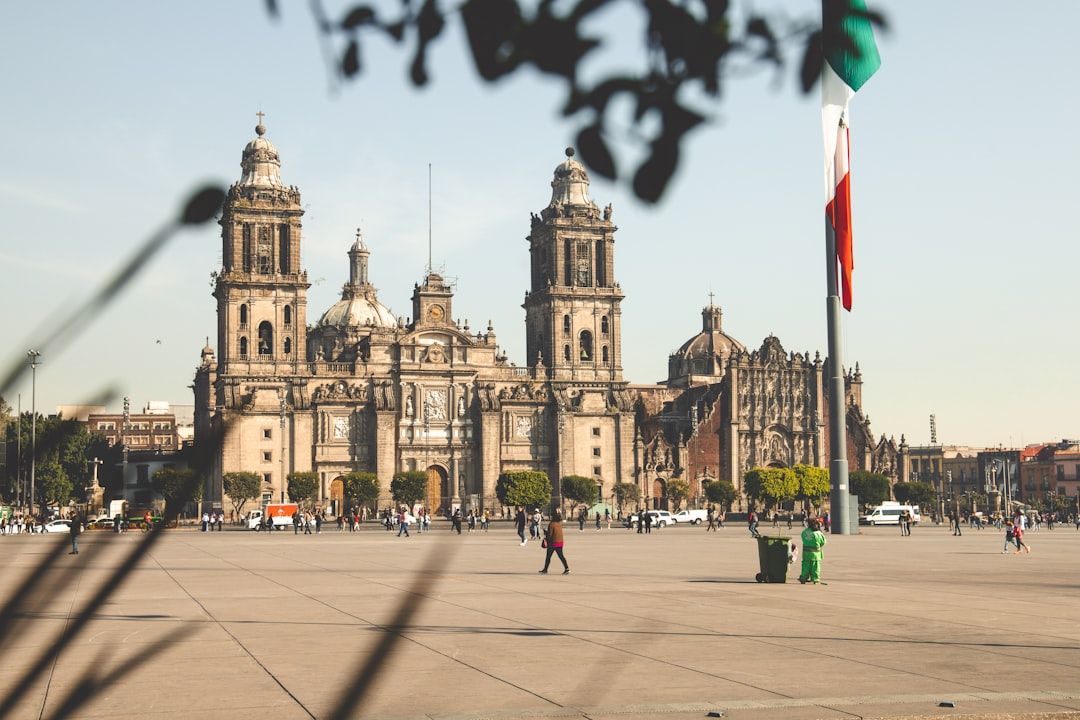
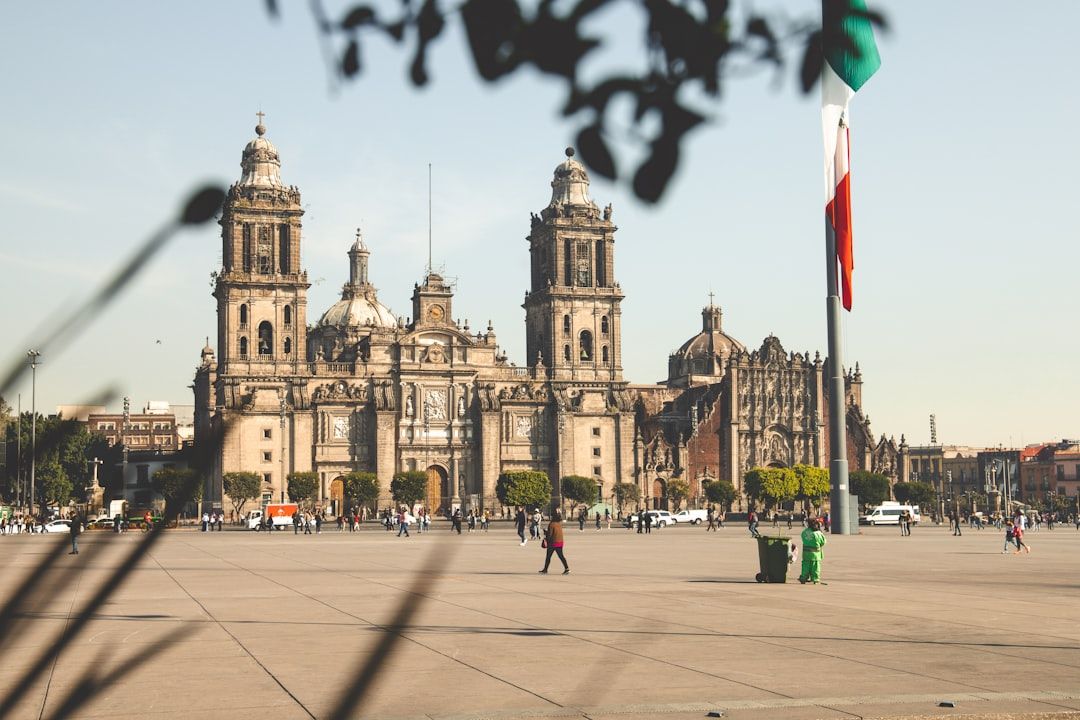
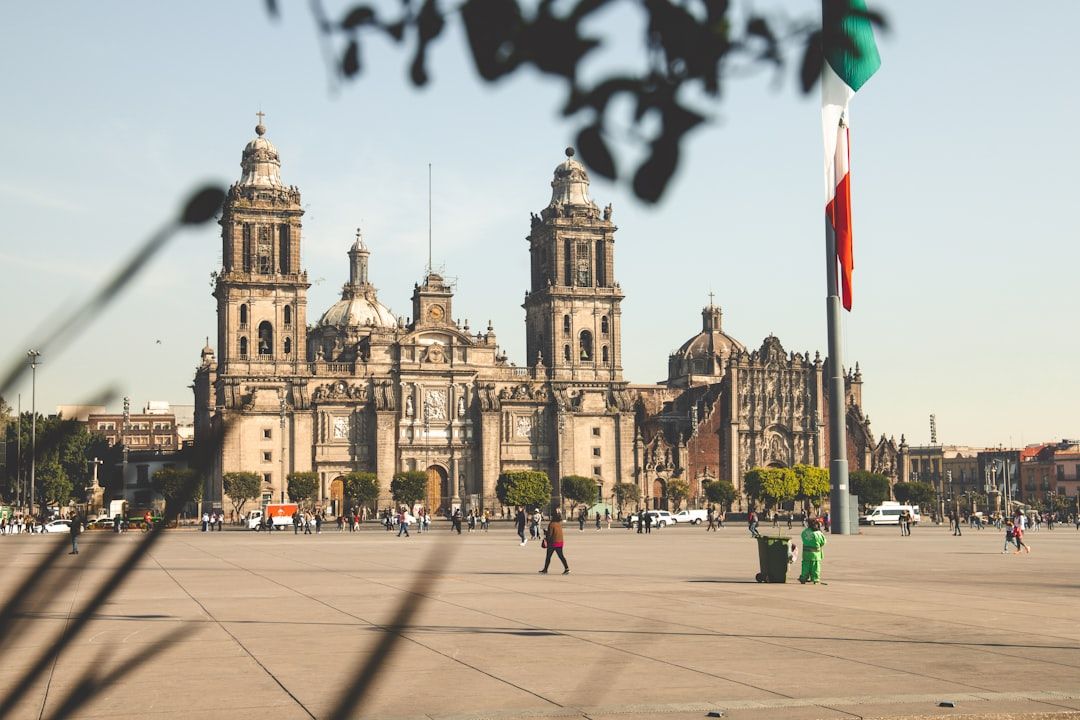
The Centro Histórico. The Zócalo, the cathedral built on the Templo Mayor, the Palacio Nacional with Rivera's murals, Bellas Artes. All walkable and self-explanatory with a little reading.
Chapultepec and the Museo Nacional de Antropología. The anthropology museum is the best in the Americas and is laid out to be read; the hall labels are excellent and bilingual.
Roma and Condesa. Walking neighbourhoods, no guide required.
Xochimilco. Take the metro and negotiate a trajinera at the dock. Boats are priced per hour for the whole boat, so a group splits it. Weekends are a floating party; weekday mornings are calm and cheaper.
Getting around
The metro costs a few pesos and covers the city extensively — at rush hour it is far faster than any road transport. The Metrobús runs on dedicated lanes.
Uber and Didi are inexpensive and are the sensible choice late at night.
Note that the metro has women-only carriages at the front during busy periods, which are enforced.
Costs
| Item | Cost |
|---|---|
| Metro journey | MXN 5 |
| Comida corrida | MXN 120–200 |
| Street tacos, each | MXN 15–40 |
| Anthropology museum | MXN 90 |
| Teotihuacán tour | MXN 700–1,200 |
| Trajinera, per hour | MXN 600–800 per boat |
Two things worth knowing
Altitude. Mexico City sits at 2,240 metres. Arriving from sea level, take the first day gently — shortness of breath on stairs is normal and alcohol hits harder.
The gentrification context. Roma and Condesa have seen rents rise beyond local wages, driven partly by foreign remote workers, and there have been protests about it. Staying elsewhere — Coyoacán, Escandón, Narvarte — is cheaper, more residential and less pressured.