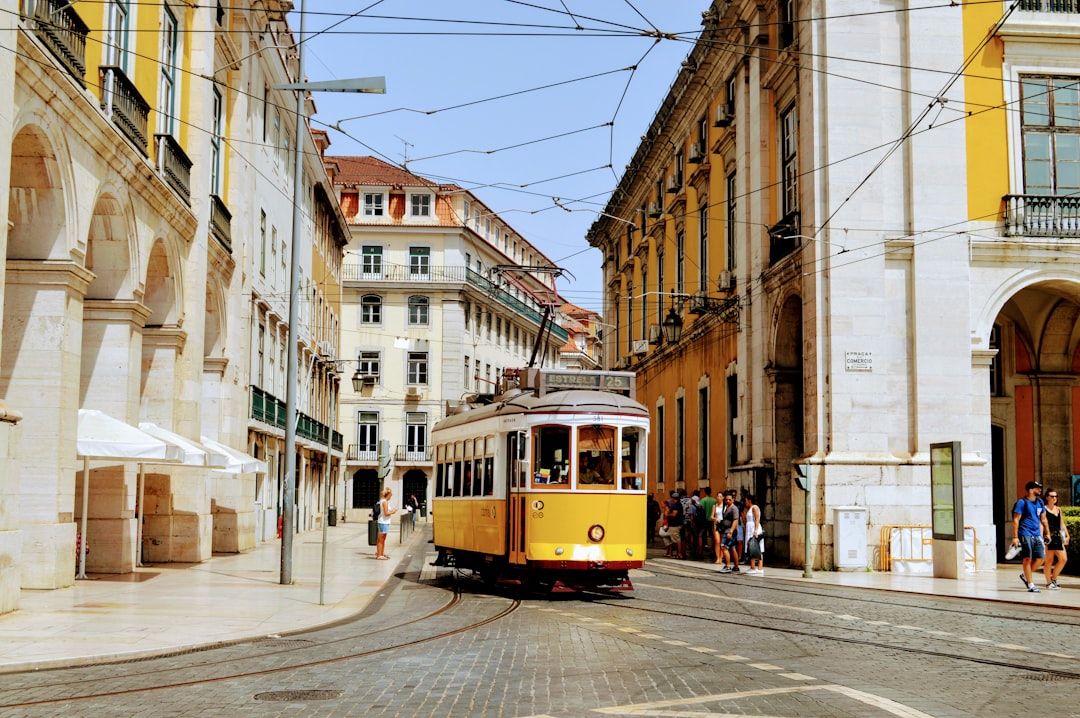
Lisbon has more guided offerings per square kilometre than almost any European city, and the useful filter is narrow: does the guide give you access or understanding you could not get by walking around with a map.
Worth paying for
Fado, at a small house. This is the clearest case. Fado in a casa de fado in Alfama or Mouraria — a room of twenty people, a singer, a Portuguese guitar, lights down and conversation stopped — is not something you can arrange yourself.
Avoid the dinner shows at €45–80, where the food is mediocre and the singing is background. The small venues charge a minimum spend of €15–25 on drinks and the music is the entire point. Tasca do Chico and the Mouraria houses are the usual names.
A food tour, once, early in the trip. Worth it not for the food but for the orientation — you learn what a tasca is, how to order, what the couvert is, and where the real neighbourhood restaurants are. Then you use that for the rest of the week. €55–80.
A tram 28 alternative with a guide, if you are interested in the history of Alfama specifically. The streets are a medieval survival of the 1755 earthquake and the layers are genuinely hard to read alone.
Skip or do independently
Tuk-tuks. €40–80 for a circuit that tram 28 covers for a few euros and that walking covers better. The exception is genuine — Lisbon's hills are steep and for anyone with mobility limits the price is justified.
Sintra tours. They solve logistics rather than adding interpretation. The train from Rossio takes 40 minutes and costs €2.30; the palaces are on a wooded hill with shuttle buses between them. Going early and booking Pena ahead works well and costs a fraction.
Generic city bus tours. Lisbon is small enough to walk and the trams already do the scenic route.
How free walking tours actually work
They are not free. They run on tips, and the expected amount is €10–15 per person, which is the guide's entire income.
At that price they are good value and frequently better than paid alternatives, because guides depend on the group enjoying it. Quality varies with the individual guide rather than the company.
Book ahead in summer — groups fill and oversized groups are the main failure mode.
What needs no guide at all
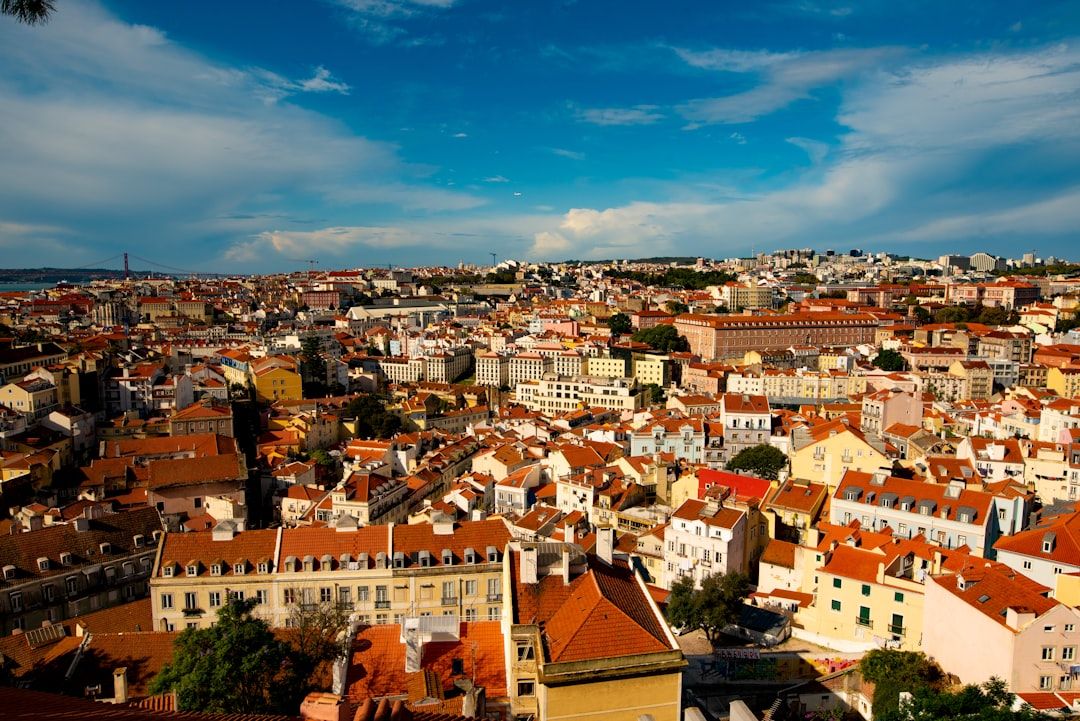
The miradouros — the hilltop viewpoints — are free, spread across the city, and are the best thing in Lisbon. Each faces a different direction so the hour matters: Senhora do Monte and Graça at sunset, Santa Luzia and Portas do Sol in the morning.
Walking Alfama, Graça and Mouraria, the riverfront to Belém, the Feira da Ladra flea market on Tuesdays and Saturdays.
Practical notes
Tram 28 is the classic ride and the single most reported pickpocketing location in Portugal. Ride it before 9am, bag in front. Tram 12 covers similar ground with fewer people.
The hills and the paving. Polished limestone calçada is genuinely slippery in rain, and Lisbon's hills are steeper than photographs suggest. Shoes with grip matter here more than in most cities.
Book Pena Palace and Jerónimos ahead. Almost nothing else in Lisbon requires it.