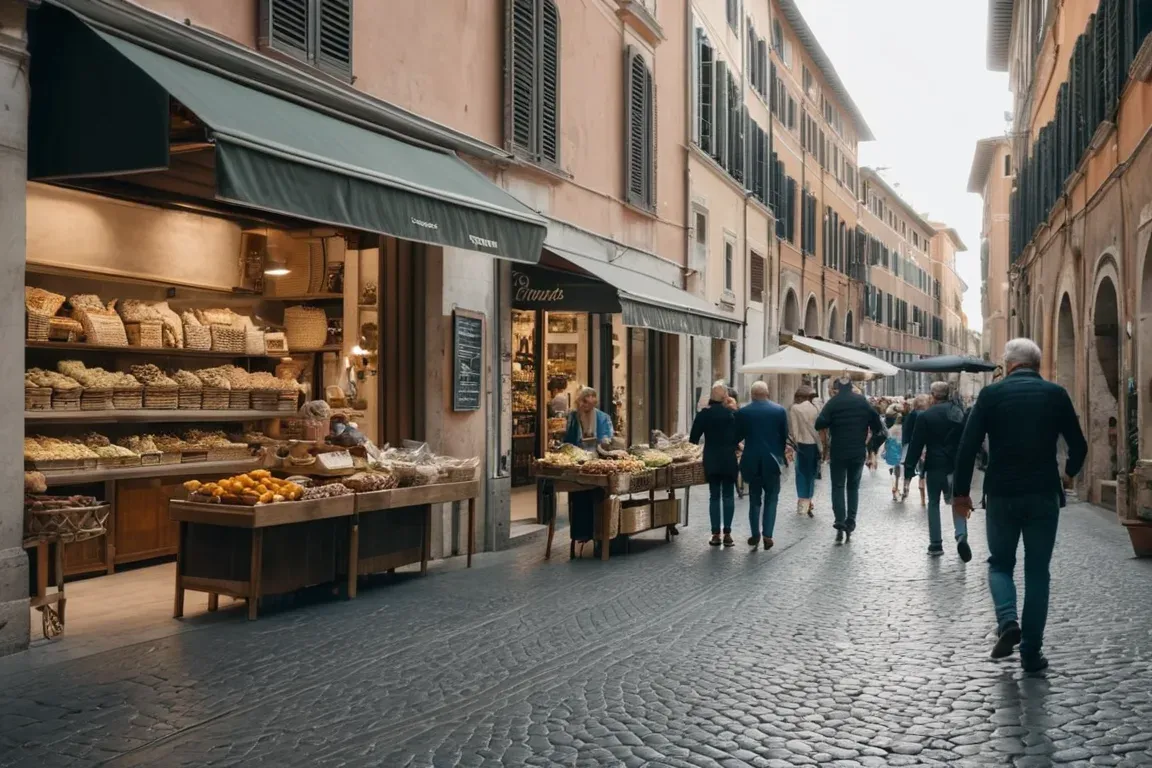
Hidden Courtyards of Rome: Tours Most Tourists Miss
Are you tired of the same old sights when visiting Rome? If your answer is yes, then it's time to step away from the crowds and explore some lesser-known hidden courtyards that will transport you to another era. These serene and pretty spaces are perfect for a relaxing day out in one of Italy's most iconic cities. ### The Magic of Hidden Courtyards Rome isnt just about the Colosseum, the Vatican, or the Pantheon-it's also about its hidden courtyards that have been preserved for centuries. These quiet corners offer an escape from the busy streets and busy crowds, providing a chance to step back in time. Here are some of Rome's most secret spaces: #### 1. The Cloister of San Lorenzo Located within the Basilica di San Lorenzo al Ponte Maggiore, this courtyard is one of the oldest surviving Romanesque cloisters in Italy. It features intricate stone carvings and beautiful mosaic tiles that date back to the thirteenth century. Price: Free entrance Time Required: 1 hour Who to Visit With: Couples, history buffs #### 2. The Secret Gardens of Villa Borghese Hidden behind the famous gardens of Villa Borghese, this courtyard is tucked away in a quiet corner of the park. It's perfect for those who want to escape the crowds and enjoy some serene green space. Price: Free entrance Time Required: 1 hour Who to Visit With: Families, nature lovers #### 3. The Courtyard at Palazzo Farnese This courtyard, once a private residence of Cardinal Federico Borromeo in the sixteenth century, is now open to visitors and offers impressive views of Rome from its balcony. Price: Free entrance Time Required: 1 hour Who to Visit With: Couples, history enthusiasts #### 4. The Secret Courtyard at Palazzo Barberini This courtyard, built by Pope Urban VIII in the seventeenth century, is adorned with beautiful frescoes and intricate stucco work. Price: Free entrance Time Required: 1 hour Who to Visit With: Couples, art enthusiasts ### Why Choose Hidden Courtyards? #### A Break from Tourist-Booms Most tourists flock to the same spots in Rome-like the Colosseum and the Vatican. These hidden courtyards offer a chance to experience the city in an entirely different light. #### Timeless Beauty These courtyards arent only visually impressive but also have historical significance. They often date back centuries, offering glimpses into Roman history and culture. #### Aromas of Tradition Walking through these courtyards can transport you to another era with its unique aromas-perhaps that of old roses or the scent of freshly baked bread from a nearby bakery. ### Conclusion Exploring hidden courtyards in Rome isnt just about discovering beautiful spaces but also about reconnecting with the city's rich heritage. Whether you're looking for romance, history, or a quiet escape, these hidden courtyards offer something special that most tourists miss. So, next time you visit Rome, why not take a tour to uncover some of its lesser-known gems? Your footsteps will lead you through streets filled with secrets and backdrops from the past.The Unseen Beauty of Hidden Courtyards in Rome
Rome, Italy is a city rich with history and culture, but its hidden courtyards offer an unexplored slice into the city's past. These secluded spaces are often overlooked by tourists on their way to more famous attractions like the Colosseum or Vatican City, yet they hold fascinating stories that paint vivid pictures of ancient Roman life. One such courtyard is the Cappella di San Pietro in Monte, tucked away at the foot of Monte Mario overlooking the Tiber River. This 12th-century Gothic chapel was built to house a statue of Saint Peter and has become a popular spot for local residents looking to escape the hustle and bustle of the city. Another lesser-known gem is the Basilica di Santa Croce, which lies beneath the Via della Conciliazione in Rome's central area. This basilica, dating back to 1245, offers impressive views over St. Peter's Square and has been used as a church since its construction. For those interested in art history, the Galleria Borghese on the Piazza di Spagna contains several hidden courtyards that house works by famous artists like Titian, Raphael, and Rembrandt. The Courtyard of the Sacklers, for example, is adorned with frescoes depicting various historical events. These hidden courtyards not only offer a glimpse into Rome's architectural heritage but also provide a serene space away from the city's noise and crowds. They are perfect spots to enjoy a quiet coffee or simply relax under the shade of a tree during a leisurely stroll through the Vatican City or the historic neighborhoods of Trastevere.Unique Features: The Hidden Courtyards
Each hidden courtyard in Rome has its own unique charm and history. For instance, the Galleria Borghese's Courtyard of the Sacklers was named after two important figures from the Borghese collection: Pope Paul V and Cardinal Scipione Borghese. One significant trade-off to consider is that these courtyards often lack public restrooms or amenities compared to tourist hotspots. However, theyre accessible by foot and can be reached within a short walk from many major landmarks in Rome. The courtyards' beauty lies in their simplicity; instead of busy streets and souvenir shops, one finds quiet, well-maintained spaces that offer glimpses into the past without overwhelming crowds.Frequently Asked Questions
Rome hidden courtyards tour is key here. Q: What are some hidden courtyards in Rome? read more travel guides
- Best time to visit: November to May
- Getting there: fly via Manila or Cebu
- Local currency: PHP (Philippine Peso)
- Language: English and Filipino
Rome hidden courtyards tour is key here. A: Some notable examples include the Cappella di San Pietro in Monte and the Basilica di Santa Croce, both of which offer serene spaces away from the city's noise.
Rome hidden courtyards tour is key here. Q: How can I access these hidden courtyards in Rome?
Rome hidden courtyards tour is key here. A: These courtyards are often located within major historical sites like museums or churches and can usually be reached via short footpaths. They are accessible by foot and dont require reservations for entry.
Rome hidden courtyards tour is key here. Q: Are there any specific tips for visiting the hidden courtyards of Rome?
Rome hidden courtyards tour is key here. A: Visitors should plan their visits to these spaces with a sense of respect for the history and quiet atmosphere they offer. It's also advisable to avoid peak tourist seasons as crowds can be higher during this time.
Rome hidden courtyards tour is key here. Q: What is the best way to experience these hidden courtyards in Rome?
Rome hidden courtyards tour is key here. A: The best way to experience these courtyards is by walking through them on foot, as theyre located within larger historical structures. Visitors should also consider visiting when there are fewer tourists around for a more tranquil visit.
The Historical Significance of Hidden Courtyards
Hidden courtyards hold a unique place in Roman history, serving as both shelter from the sun and places where residents could gather for social and political gatherings. These spaces often reflect the architectural style and cultural norms of their time. One example is the Via Lata, one of Rome's oldest known paved roads, dating back to 312 BC. The road was originally a narrow path used by merchants but later became lined with villas and courtyards. Many of these structures have been preserved through centuries of use and architectural preservation efforts, offering glimpses into the daily life and social interactions of Roman citizens.The Cultural Impact of Hidden Courtyards
Hidden courtyards in Rome play a significant role in shaping cultural identity and community spirit. They often serve as gathering spots for locals to exchange stories, news, and ideas, reflecting the close-knit nature of Roman society. For instance, the Baths of Caracalla, one of the most well-known hidden courtyards, isnt only an architectural marvel but also a testament to the social life of the ancient Romans. The courtyard was used for public gatherings, religious ceremonies, and even executions by gladiators before their battles.Trade-offs in Maintaining Hidden Courtyards
While the preservation of hidden courtyards is crucial for understanding Rome's history and cultural heritage, it comes with challenges. One major trade-off is the potential for these spaces to be forgotten or neglected once tourists start visiting them in large numbers. This can happen if maintenance and management become less focused on preserving the original structures rather than their visitor-friendly aspects. Another challenge is ensuring that these historic spaces remain accessible while also respecting historical preservation laws. The balance between tourism development and heritage conservation often requires careful planning to prevent deterioration or over-tourism.Conclusion
Hidden courtyards in Rome arent just architectural curiosities; theyre living parts of the city's rich history and cultural fabric. As with any significant historical site, there is a delicate balance between preserving their integrity for future generations and making them accessible to those who can appreciate their unique charm. By understanding and appreciating these quiet spots, travelers and locals alike can gain deeper insights into Rome's past while also respecting the need to protect its heritage for years to come.