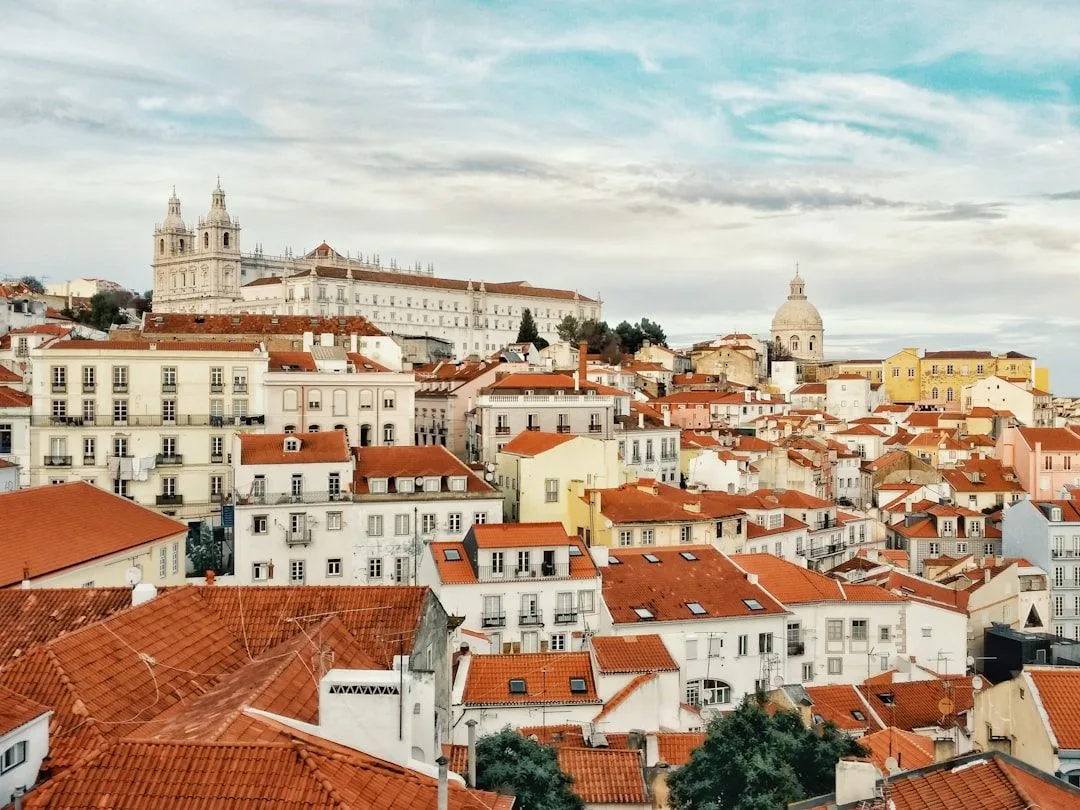
Lisbon looks like an accumulation of pretty streets until you know that one morning in 1755 destroyed most of it. After that the whole city reads as a before-and-after.

1 November 1755
An earthquake estimated at magnitude 8.5 or above struck on All Saints' Day, when churches were full of candles. The shaking was followed by a tsunami up the Tagus and by fires that burned for days.
Tens of thousands died. The lower city was destroyed. The disaster shook European thought as well — Voltaire wrote about it, and the question of how a benevolent God permits such an event became a central Enlightenment argument.
What survived tells you where the rock is.
What you can see of it
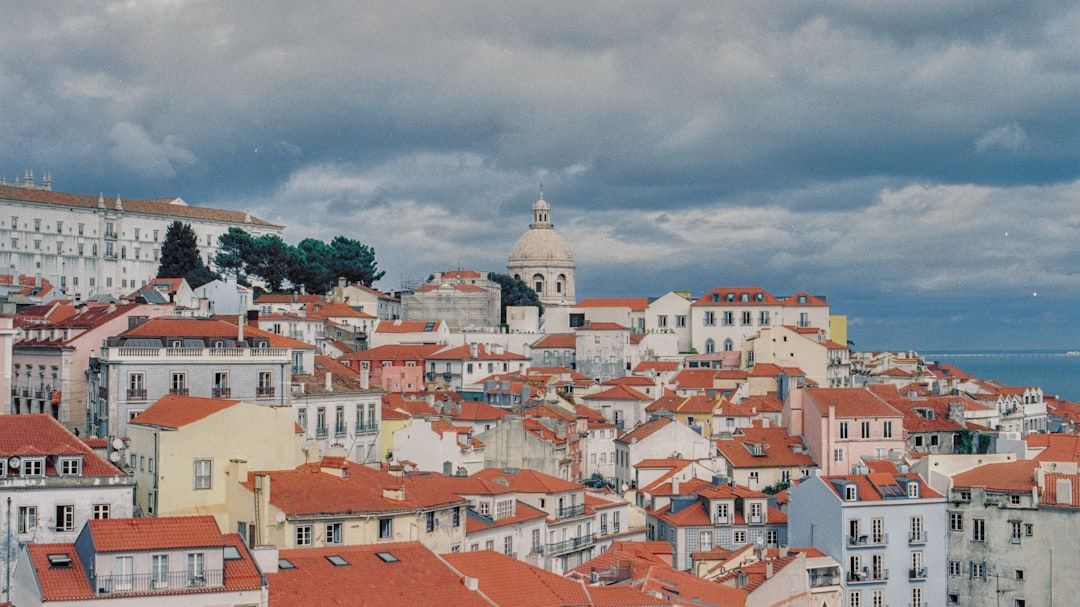
Alfama survived largely intact because it sits on bedrock. That is why it retains a medieval Moorish street plan — narrow, tangled, climbing — while everything below it is rational.
Baixa is the rebuild: a grid of uniform streets between two large squares, constructed in a few years under the Marquis of Pombal.
The Pombaline buildings used a gaiola — a timber cage frame inside the masonry, designed to flex rather than collapse in an earthquake, and reportedly tested by marching troops around prototypes to simulate shaking. It is one of the earliest systematic attempts at seismic-resistant construction anywhere.
Carmo Convent, up the hill, was left as a roofless ruin deliberately — the Gothic arches open to the sky are the earthquake's memorial.
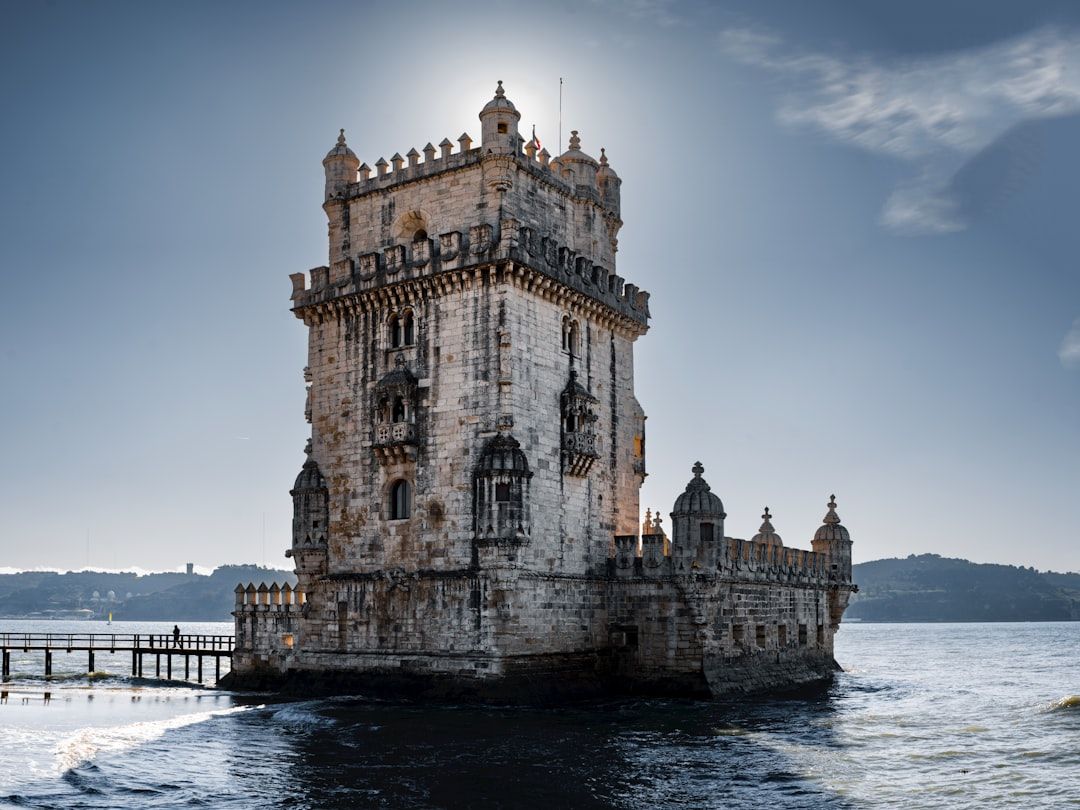
The empire, in Belém
Two hundred and fifty years earlier, Lisbon was the departure point for the voyages that opened the sea route to India, and the wealth funded a distinctive architecture.
Manueline — Portugal's late Gothic, named for King Manuel I — carves maritime motifs into stone: ropes, knots, coral, anchors, and the armillary sphere that was the king's emblem.
The Jerónimos Monastery is the definitive example, funded by a tax on the spice trade. The Belém Tower is the other, built as a fortress in the river.
Both are ticketed and both queue; go at opening.
The tiles
Azulejos arrived through Moorish Iberia and became a Portuguese obsession — practical for damp and heat, and eventually narrative.
The National Tile Museum, in a former convent, traces five centuries of the form. Its centrepiece is a 23-metre panel showing Lisbon's waterfront before the earthquake, which is one of the only detailed records of the vanished city.
Beyond the museum: São Vicente de Fora's cloisters, the Fronteira Palace, and the facades throughout Graça, Campo de Ourique and Alfama, where whole buildings are tiled.
Fado
Emerged in the working-class quarters of Alfama and Mouraria in the nineteenth century, and is now UNESCO-listed.
Hear it in a small casa de fado rather than a dinner show — a room of twenty people, a singer, a Portuguese guitar, lights down. The dinner venues charge €45–80 for mediocre food with music attached; the small houses charge a minimum drinks spend and the singing is the point.
A walk that covers it
Start at Praça do Comércio, the earthquake rebuild's river-facing square. Walk north through the Baixa grid to Rossio. Up to Carmo Convent for the ruin. East into Alfama and the surviving medieval streets, past the cathedral, up to the castle.
Two to three hours, and it moves through three distinct periods in a way the map makes clear once you know what you are looking at.