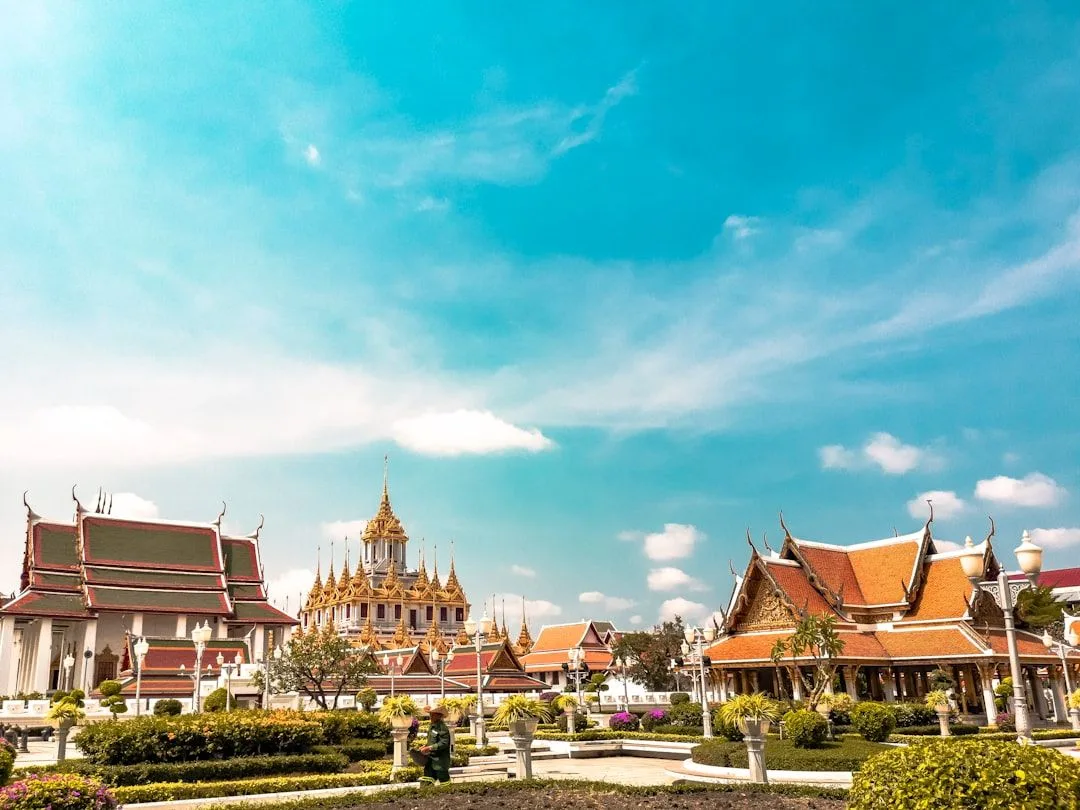
Bangkok's street food has a timetable. Vendors work shifts and the same stretch of pavement sells entirely different food at 7am, 1pm and 10pm. Turning up at the wrong hour is why people conclude a famous spot was overrated.
The daily schedule
| Time | What is out |
|---|---|
| 6–10am | Jok (rice congee), pathongko doughnuts, soy milk |
| 11am–2pm | Noodle soups, khao man gai, rice-and-curry stalls |
| 3–6pm | Snacks, fruit, grilled skewers |
| 6pm–midnight | The main evening trade — stir fries, seafood, noodles |
| Midnight–3am | Chinatown, and stalls near markets and nightlife |
This is the single most useful thing to know, and it explains most disappointing street food experiences.
Where to eat
Yaowarat, the Chinatown main road, after dark. Kitchens set up along the pavement from around 6pm — oyster omelettes, roast duck, guay jub, seafood grilled on the street, and the mango sticky rice stalls with queues down the block.
This is the best eating in the city and it is entirely a night activity. Come at 4pm and you will wonder what the fuss is about.
Victory Monument for boat noodles — small intense bowls eaten several at a time.
Bang Rak, the old Silom-adjacent district, for markets and a long-established food scene.
Or Tor Kor market, which is a produce market where Bangkok's cooks shop rather than a tourist destination, with a food court attached.
Any soi off a main road in a residential district. The best meals in Bangkok are usually within 200 metres of where someone lives.
Hygiene, practically
Street food in Bangkok is generally safe and the rules are simple.
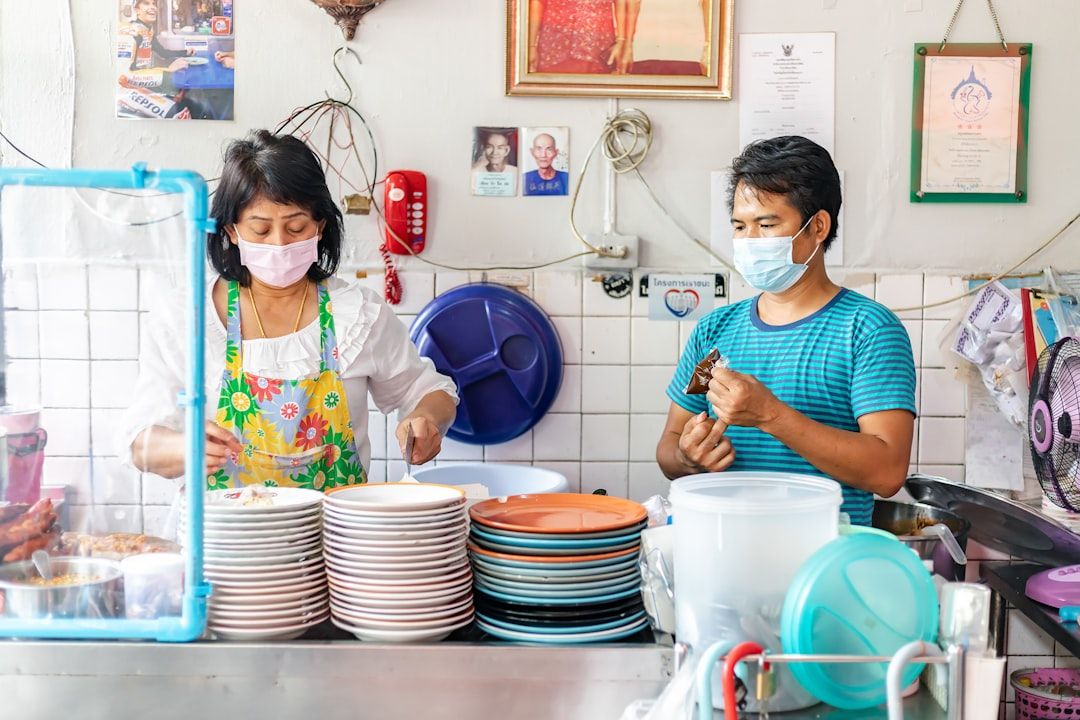
Choose busy stalls. High turnover means food is cooked and sold rather than held. A queue of local customers is the best signal available.
Food cooked to order in front of you rather than sitting out.
Bottled water as the default. Ice from commercial suppliers — cylindrical with a hole through the middle — is produced from treated water and is fine.
Beyond that, eat what looks busy and do not overthink it.
What a food tour adds
One, early in a stay, is worth it — not for the meal but for the orientation.
You learn which stalls run at which hours, what the dishes are called, how to order without a shared language, and how northern, northeastern and central Thai cooking differ. That knowledge applies for the rest of the trip.
Chinatown tours after dark are the most useful, because that area is genuinely hard to navigate alone the first time.
Beyond one, tours stop adding much. You will have learned the pattern.
What things cost
| Item | Price |
|---|---|
| Noodle soup | 50–70 THB |
| Pad kaprao with rice and egg | 50–80 THB |
| Khao man gai | 50–60 THB |
| Mango sticky rice | 60–100 THB |
| Fresh juice | 20–40 THB |
| Food tour, 3–4 hours | 1,500–3,000 THB |
Two practical notes
Point and nod works. Most stalls sell one or two things and English is limited. Pointing at what the person before you had is a complete ordering strategy.
Spice. Mai phet means not spicy, and it will still be spicier than you expect. Thai chilli tolerance is genuinely different, and stalls calibrate for locals unless told otherwise.