Bali's visitors concentrate into a strip running from Canggu through Seminyak to Uluwatu, plus Ubud. Thirty minutes beyond it, the island becomes what people picture before they arrive.

Sidemen
East of Ubud, in the shadow of Mount Agung. The same terraced valley landscape that made Ubud famous, with a fraction of the visitors and noticeably lower prices.
There is very little to do, which is the point — walking through the rice terraces, watching the weaving that the village is known for, and looking at the volcano.
You need a scooter or a car; there is minimal walkable infrastructure. Accommodation runs IDR 300,000–800,000 for a good room with a view, against double that for the equivalent near Ubud.
This is the recommendation for anyone who has been to Bali before or who came for the landscape rather than the scene.
Amed and the northeast
A string of fishing villages along a black-sand coast, with a view of Agung behind and Lombok across the water.
The diving here is the cheapest good diving in Bali — the USAT Liberty wreck at Tulamben is a shore dive, thirty metres from the beach, and is one of the most accessible wreck dives anywhere.
Amed is quiet, cheap and has no nightlife to speak of.
Munduk and the highlands
North-central Bali, at altitude. Waterfalls, coffee and clove plantations, and the twin lakes of Buyan and Tamblingan.
It is genuinely cool — a relief after a week in the lowlands — and the walking between waterfalls and through plantations is the activity.
The temple at Ulun Danu Beratan on the lake is nearby and is the one busy thing in the area.
The east and northwest
Sidemen aside, the Karangasem regency has the Tirta Gangga water palace and the Lempuyang temple with its much-photographed gate — the latter now has a long queue for the photograph, which is worth knowing before making the drive.
Pemuteran in the northwest is a quiet diving base for Menjangan island, and about as far from Canggu as Bali gets.

Costs, compared
| South / Ubud | Sidemen / Amed / Munduk | |
|---|---|---|
| Good room | IDR 600k–2m | IDR 300–800k |
| Warung meal | IDR 40–90k | IDR 20–45k |
| Scooter per day | IDR 70–100k | IDR 60–80k |
Temple etiquette
A sarong and sash are required, and most temples provide or rent them at the entrance. Shoulders covered.
Menstruating women are traditionally asked not to enter temple grounds, and this is posted at entrances rather than enforced.
Do not climb on shrines, do not stand higher than a priest, and step around offerings — the small palm-leaf canang sari placed on the ground everywhere — rather than over them.
Nyepi
The Balinese day of silence, in March. The entire island stops for 24 hours: no flights in or out, no vehicles, no lights after dark, and guests remain within their accommodation.
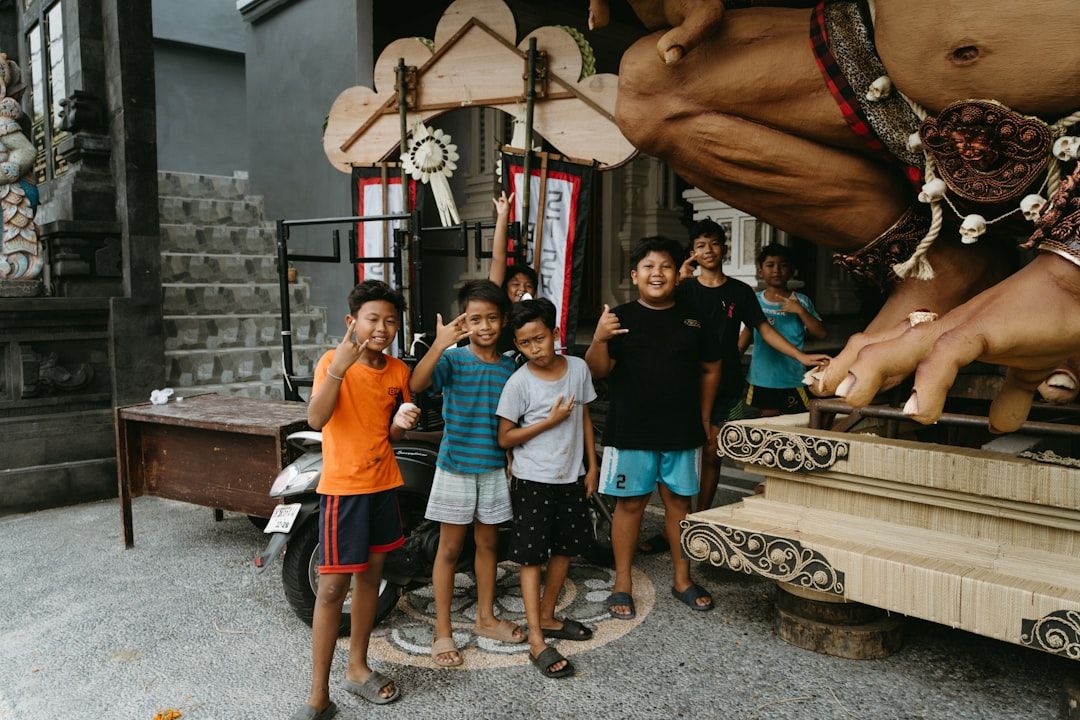
It is a genuine full closure rather than reduced service. Check the date before booking, and note that the night before has the ogoh-ogoh parades, which are among the best things to see in Bali.
The scooter warning
Everyone rents one and the accident rate among visitors is high. Most travel insurance excludes motorbike accidents without a licence valid for that engine size at home.
In the quiet regions the roads are emptier and the risk lower, but Bali's traffic in the south is not a place to learn.