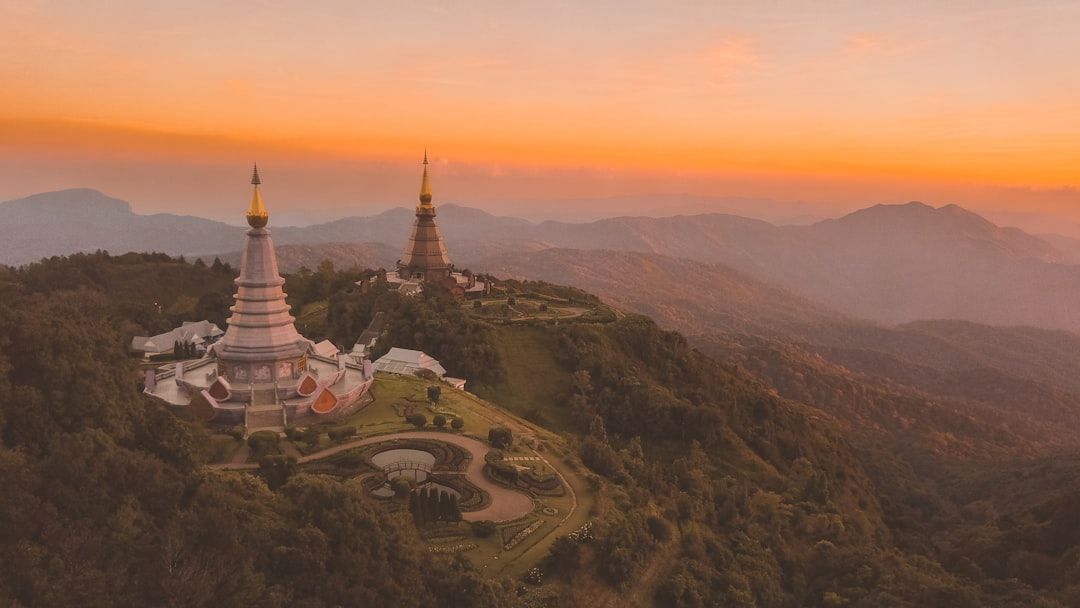
Thailand's tourism industry is sophisticated enough to produce convincing versions of almost anything, including authenticity. The useful test is usually simple: who else is there, and where does the money go.
The elephant question
This is where the gap between marketing and practice is widest.
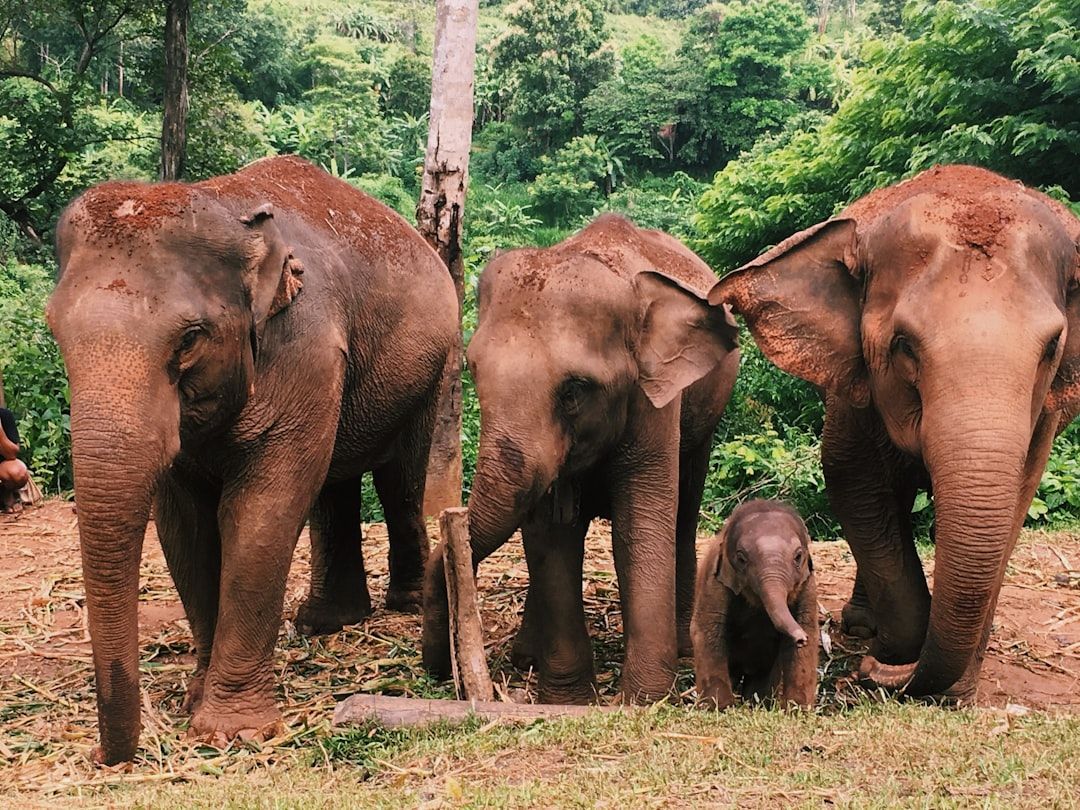
The word sanctuary is unregulated. Venues offering riding, bathing with tourists, or performances are working animals regardless of what they call themselves, and elephants are chained between activities at many of them.
What a genuine one looks like:
No riding. Elephant spines are not built for it and the training that makes it possible is brutal.
No performances — painting, football, tricks.
Increasingly, no bathing with visitors. Several well-regarded sanctuaries have stopped this because the constant handling stresses the animals, even though it is the photograph people want.
Herd behaviour. Elephants moving freely together, not brought out and returned.
The genuine places are observation-based and the visit is quieter than the marketed version.
Hill tribe tours
The ethics here depend entirely on the operator and are worth asking about directly.
Tours where the community controls the visit, sets the terms and receives the income can be genuine and welcome. Tours to villages arranged as attractions — particularly those featuring Kayan women with neck rings positioned for photographs — are widely criticised as human display, and in several documented cases the communities involved were displaced people with limited alternatives.
Ask: who receives the payment, did the community invite visitors, and is this a village or an arranged site.
What is straightforwardly good
Cooking classes. 800–1,500 baht, and the better ones start at a market explaining ingredients before you cook. You leave able to make three or four dishes. Genuinely useful rather than performative.
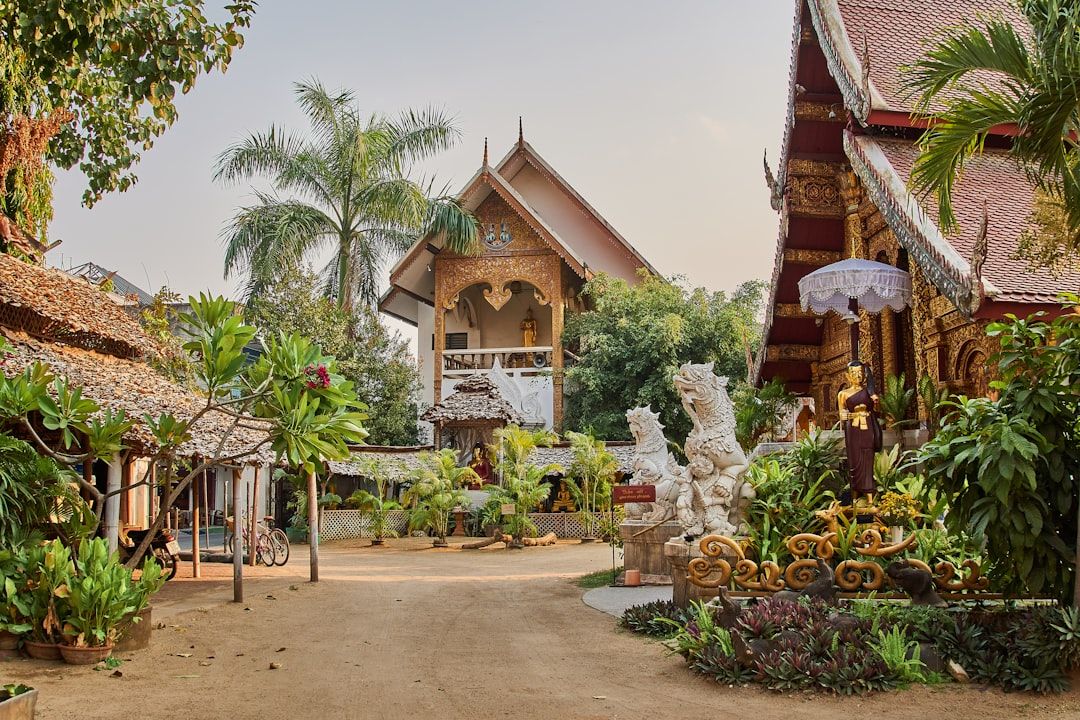
Temple visits, independently. Free or nearly so, and no guide required beyond reading beforehand. Go early — Wat Pho and Wat Arun are calm at opening and crowded by ten.
Markets, at the right hour. Chiang Mai's Warorot market in the morning, Bangkok's Or Tor Kor, the fresh markets in any provincial town. These are where people shop rather than where visitors are taken.
Muay Thai at a local stadium rather than a tourist show. The provincial stadiums have real fights and a real crowd.
Temple etiquette, which matters
Cover shoulders and knees. Remove shoes where indicated. Do not point your feet at a Buddha image or at a monk — the feet are the lowest part of the body in Thai thinking and this is a genuine offence rather than a technicality.
Women should not touch a monk or hand objects directly to one; place the item down for him to pick up.
Buddha images are sacred, not decorative. Posed photographs with them, and Buddha tattoos, cause real offence and the latter has caused visitors problems at immigration.
The general test
Look at who else is present. A restaurant full of Thai families at 1pm is different from one full of visitors at 7pm. A market at 6am serves residents; the same market at noon serves tour groups.
And ask where the money goes. Community-run and family-run operations answer that question easily; agency-brokered ones often cannot.